Introduction
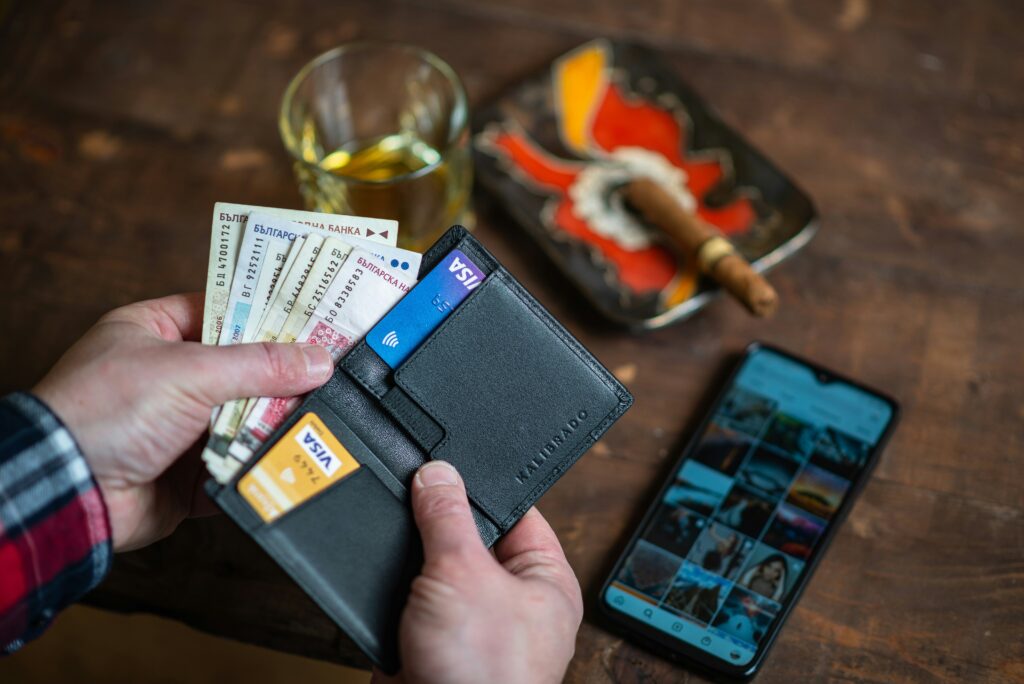
Having more than one credit card can be extremely beneficial — you get better rewards, higher credit limits, and improved credit score potential. But if not managed properly, multiple cards can also lead to overspending and unnecessary debt.
In this guide, you’ll learn smart strategies to manage multiple credit cards safely, improve your financial health, and avoid falling into debt traps.
Benefits of Using Multiple Credit Cards
✔ Higher Credit Limit
More cards = higher overall available credit, which reduces credit utilization and boosts credit score.
✔ Better Rewards
Different cards offer different benefits — cashback, travel miles, fuel rewards, shopping discounts, etc.
✔ Backup Option
If one card fails or reaches the credit limit, you always have another backup.
1. Track All Payment Due Dates
Most people fall into debt because they forget payment dates.
Solution:
- Use Google Calendar reminders
- Use your bank’s mobile app alerts
- Arrange auto-debit for minimum payment
Missing payments affects your credit score and triggers late fees.
2. Keep Credit Utilization Below 30%
If you have multiple cards, divide your spending among them.
Example: Total credit limit = $3,000 → Keep usage under $900/month.
This boosts credit score and prevents overuse.
3. Use Different Cards for Different Categories
To maximize rewards:
- Use a cashback card for daily expenses
- Use a travel card for booking flights/hotels
- Use a fuel card for gas
- Use a shopping rewards card for online purchases
Smart usage = more rewards + less interest.
4. Pay the Full Balance Every Month
Never carry forward balances across multiple cards.
Interest from multiple cards can pile up quickly and lead to debt.
5. Avoid Applying for Too Many Cards at Once
Every credit card application triggers a hard inquiry, which can temporarily reduce your credit score.
Apply only when needed.
6. Review Statements for Hidden Charges
Check all statements monthly to avoid:
- Duplicate charges
- Fraud transactions
- Annual fee changes
- Interest applied mistakenly
Multiple cards = more statements = more chances of errors.
7. Close Unnecessary Cards (Only When Needed)
If a card has:
- High annual fee
- No rewards
- No usage
… consider closing it but slowly. Closing many cards at once reduces credit age.
8. Use a Credit Card Tracker App
Some good options (international):
- Wallet
- Money Manager
- Mint
- Walnut (India)
These apps show due dates, spending category, and total utilization.
Conclusion
Using multiple credit cards can be a powerful financial strategy — but only when used responsibly.
Track your dates, use the right card for the right purchase, keep utilization low, and pay on time.
👉 Remember: Control your cards — don’t let the cards control you.