Managing money can feel overwhelming, but a solid monthly budget makes it easier to stay in control, save more, and stress less. The problem is, many people create budgets that look good on paper but fail in real life.
Here’s a step-by-step guide to building a monthly budget you can actually stick to.
1. Calculate Your Total Monthly Income
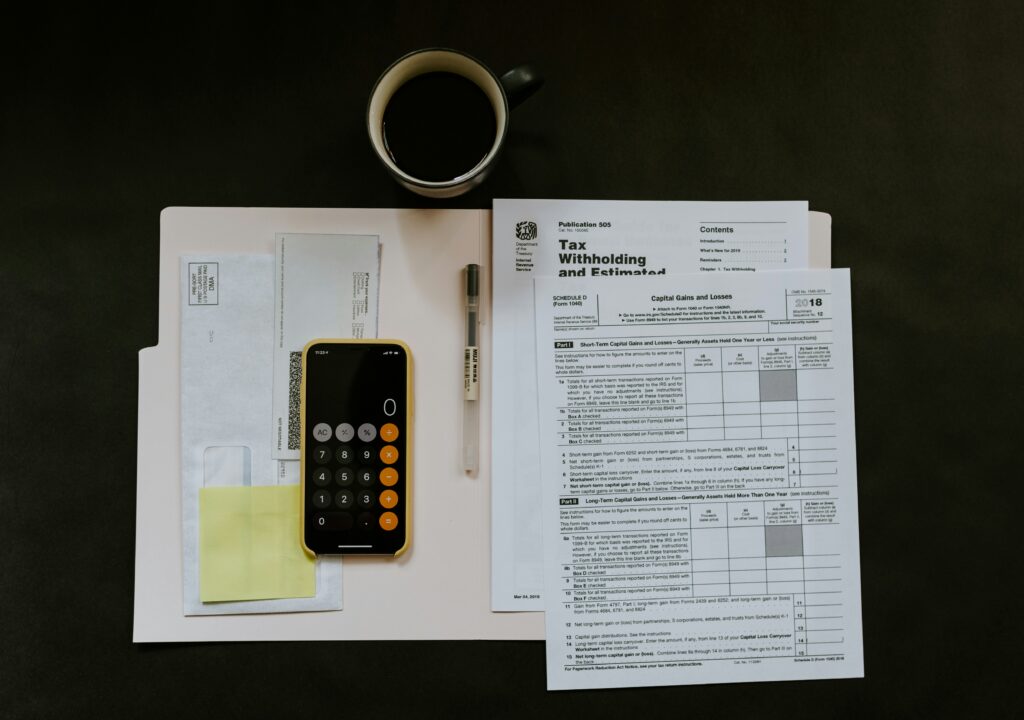
Before you can plan where your money goes, you need to know exactly how much is coming in.
Include:
- Salary (after taxes)
- Side hustle earnings
- Freelance or business income
- Rental or passive income
💡 Tip: If your income varies, take the average of the past 3–6 months.
2. List All Fixed Expenses

Fixed expenses are bills you pay every month — the ones that rarely change.
Examples:
- Rent or mortgage payments
- Utility bills
- Car payments
- Internet and phone bills
- Insurance premiums
Knowing these helps you see the “non-negotiables” in your budget.
3. Track Your Variable Spending

This is where most budgets fail — people underestimate flexible spending.
Include categories like:
- Groceries
- Dining out
- Entertainment
- Gas and transportation
- Clothing and personal care
💡 Tip: Track your spending for at least 30 days to see where your money really goes.
4. Follow the 50/30/20 Rule

One simple method to create balance is the 50/30/20 budget:
- 50% Needs (rent, utilities, groceries)
- 30% Wants (shopping, dining, subscriptions)
- 20% Savings & Debt Repayment (emergency fund, retirement, loan payoff)
This keeps your spending in check while prioritizing savings.
5. Build an Emergency Fund

Even the best budget fails without a safety net. Aim to save 3–6 months of expenses in a separate account for emergencies like job loss or medical bills.
6. Use Budgeting Tools or Apps

Apps like Mint, YNAB (You Need A Budget), or EveryDollar make tracking easier and more accurate. Many allow you to set alerts when you overspend.
7. Review and Adjust Monthly

Your life changes — and so should your budget.
At the end of each month, ask yourself:
- Did I stay within my budget?
- Did I overspend in certain areas?
- Can I save more next month?
Key Takeaways
- Track income and expenses accurately.
- Separate needs from wants.
- Stick to a simple, realistic system like 50/30/20.
- Review and adjust your budget regularly.
By making your budget realistic, flexible, and easy to follow, you’ll set yourself up for long-term financial success.