Introduction
Credit cards have become an essential part of modern financial life. Whether you’re shopping online, booking travel, or managing monthly expenses, a credit card provides flexibility and convenience. However, if you’re new to using credit cards, it’s important to understand how they work, their benefits, and the risks involved.
In this guide, we’ll cover everything you need to know about credit cards, including how they function, their advantages, and smart ways to use them responsibly.
What is a Credit Card?
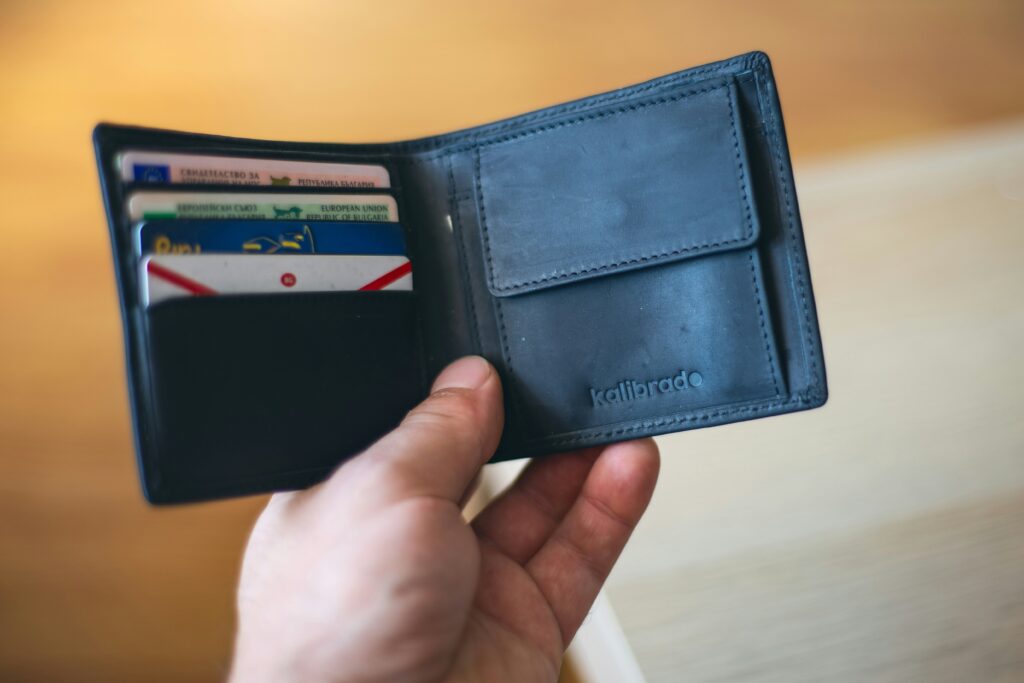
A credit card is a financial tool issued by banks or financial institutions that allows you to borrow money up to a certain limit for purchases or cash withdrawals. Instead of paying immediately, you can pay later — usually once a month.
👉 Think of it as “buy now, pay later”, but with responsibilities.
How Do Credit Cards Work?
- Credit Limit – Each card comes with a spending limit, depending on your income and credit score.
- Billing Cycle – You receive a monthly statement summarizing your expenses.
- Minimum Payment – You must pay at least the minimum balance to avoid penalties.
- Interest Charges – If you don’t pay the full balance, interest is applied.
- Rewards – Many credit cards offer cashback, points, or travel rewards.
Benefits of Using a Credit Card
- Convenience – Accepted worldwide for online and offline payments.
- Build Credit Score – Helps improve your credit history if used wisely.
- Rewards & Cashback – Earn points, miles, or cashback on purchases.
- Emergency Support – Useful for urgent expenses.
- Fraud Protection – Safer than carrying cash.
Risks of Misusing Credit Cards
- High-interest debt if payments are delayed.
- Overspending due to easy access.
- Late payment fees and penalties.
- Negative impact on your credit score.
Smart Tips for Beginners
- Always pay your full balance on time.
- Avoid spending more than 30% of your credit limit.
- Choose a card with no annual fee if you’re starting.
- Track your expenses regularly.
- Don’t apply for too many credit cards at once.
Conclusion
Credit cards can be powerful tools for financial flexibility and building credit history — but only if used responsibly. For beginners, the key is to spend wisely, pay bills on time, and understand the terms before using the card.
By mastering these basics, you’ll enjoy the benefits of a credit card without falling into debt traps.