
Introduction
Credit cards offer convenience, rewards, and financial flexibility — but if you’re not careful, they can also come with hidden costs. From annual fees to late payment penalties, credit card charges can quickly add up and affect your financial health.
In this guide, we’ll break down the most common credit card fees and charges, explain how they work, and share smart tips to avoid paying extra.
1. Annual Fees
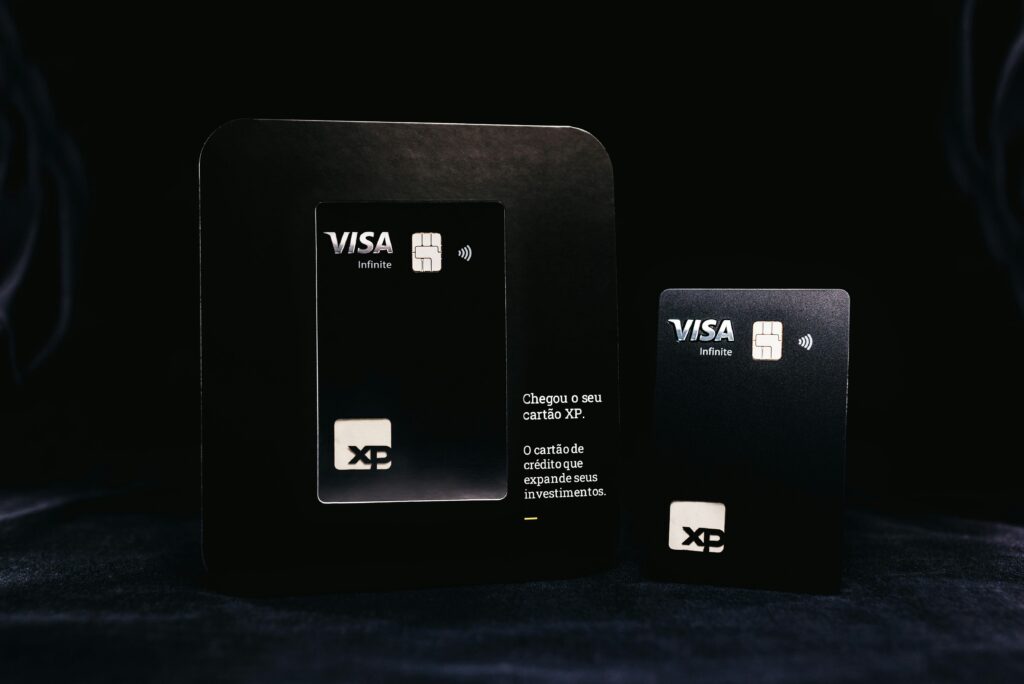
Some credit cards charge a yearly fee for the benefits they offer, such as rewards, cashback, or travel perks.
- Range: $0 to $500+ (depending on the card).
- Tip: If you’re a beginner, choose a no-annual-fee card unless you really use premium features.
2. Interest Charges (APR)

If you don’t pay your full balance on time, your remaining amount is charged interest, called Annual Percentage Rate (APR).
- Example: If your APR is 20%, and you carry $1,000 unpaid balance, you could pay $200 in interest per year.
- Tip: Always pay in full before the due date to avoid interest.
3. Late Payment Fees

Missing your payment deadline can lead to penalties.
- Range: $25 to $40 per missed payment.
- Impact: Lowers your credit score and adds extra cost.
- Tip: Set reminders or autopay to avoid late fees.
4. Over-the-Limit Fees
If you spend more than your assigned credit limit, you may be charged extra.
- Tip: Track your spending and stay below 30% utilization for better credit score.
5. Cash Advance Fees
Withdrawing cash from your credit card is expensive. Banks charge a fee + high interest (often 20–30%), starting the same day.
- Tip: Avoid using credit cards for cash withdrawal.
6. Foreign Transaction Fees

When you use your credit card abroad, banks often charge 2–3% per transaction.
- Tip: Choose a card with no foreign transaction fee if you travel internationally.
7. Balance Transfer Fees
When you transfer debt from one credit card to another, you may pay a fee of 3–5% of the amount.
- Tip: Use only when you get a 0% introductory APR and plan to repay quickly.
How to Avoid Credit Card Charges
- Pay your bills in full and on time.
- Choose no-annual-fee cards if you don’t use premium perks.
- Don’t withdraw cash using your credit card.
- Set autopay reminders for timely payments.
- Read terms carefully before applying for a new card.
Conclusion
Credit cards are powerful financial tools, but hidden charges can make them costly if misused. By understanding fees like annual charges, late payments, cash advances, and foreign transaction costs, you can make smarter financial decisions.
👉 The key: Use your card responsibly, pay on time, and choose the right card for your lifestyle.