Introduction
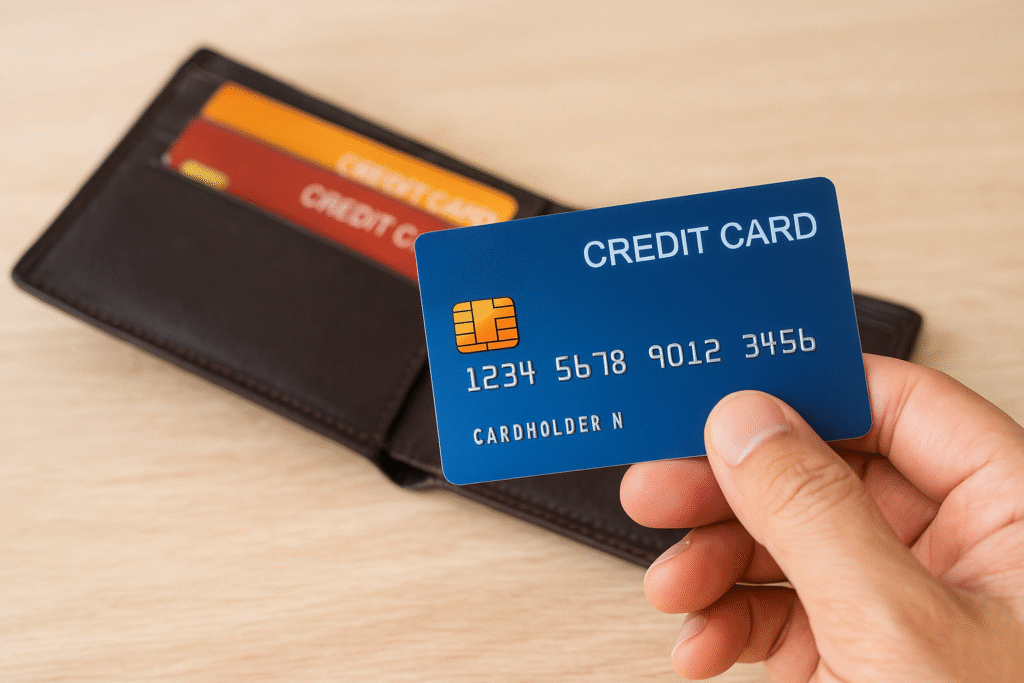
A strong credit score is one of the most valuable financial assets you can have. It helps you get loans faster, unlocks better interest rates, and even increases your chances of qualifying for premium credit cards. For beginners, one of the easiest ways to build a good credit score is through responsible use of credit cards.
In this guide, we’ll explain how credit cards impact your credit score, the key factors that affect it, and practical tips to build and maintain a healthy score.
What is a Credit Score?

A credit score is a three-digit number that represents your creditworthiness — how likely you are to repay borrowed money.
- Most scores range from 300 (poor) to 850 (excellent).
- Lenders, banks, and even landlords check this score before approving loans, mortgages, or credit cards.
How Credit Cards Affect Credit Score
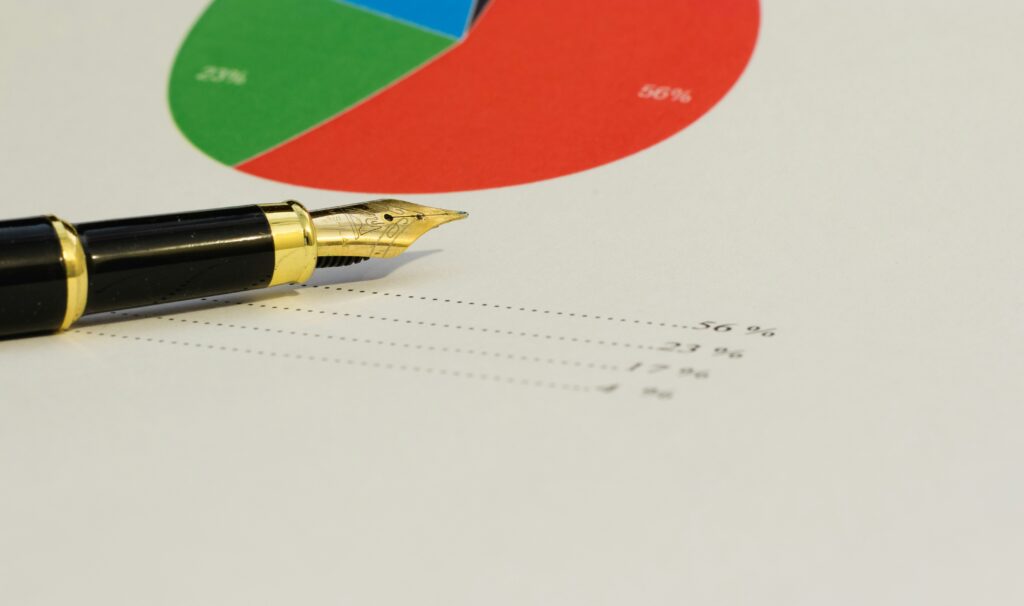
When you use a credit card responsibly, it positively impacts your score. But misuse can lower it.
Here’s how credit cards play a role:
- Payment History – Paying your bills on time improves your score.
- Credit Utilization – Using less than 30% of your credit limit shows discipline.
- Credit Age – The longer you’ve used your credit card, the better it looks.
- Credit Mix – Having different types of credit (loan + card) improves score.
- New Inquiries – Too many card applications can hurt your score.
Tips to Build Credit Score Using Credit Cards
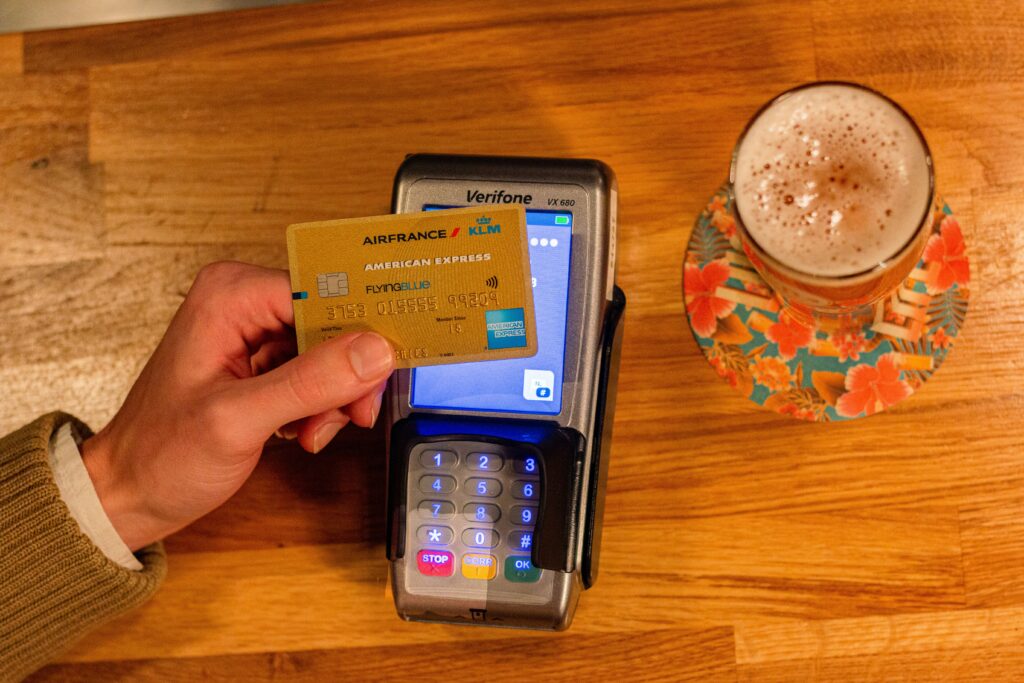
1. Always Pay on Time
Your payment history makes up about 35% of your credit score. Even one late payment can damage your score.
2. Keep Utilization Below 30%
If your credit limit is $1,000, don’t spend more than $300 regularly. Lower utilization = higher score.
3. Start with a Secured or Student Card
Beginners can use secured or student credit cards to start building credit history safely.
4. Avoid Too Many Applications
Every time you apply for a new credit card, a “hard inquiry” is recorded, which can temporarily lower your score.
5. Maintain Accounts for Longer
The age of your credit accounts matters. Keep your first card active even if you don’t use it much.
Common Mistakes to Avoid
- Missing payment deadlines.
- Overspending and carrying high balances.
- Canceling old credit cards too early.
- Applying for multiple cards within a short time.
Long-Term Benefits of a Good Credit Score
- Easier Loan Approvals – Get mortgages, car loans, and personal loans faster.
- Lower Interest Rates – Save thousands in interest charges.
- Better Credit Cards – Qualify for premium cards with rewards, cashback, and travel perks.
- Financial Freedom – A good score improves overall financial trust.
Conclusion
Building a good credit score doesn’t happen overnight, but with consistent responsible use of credit cards, you can create a strong financial foundation. Always pay your bills on time, manage your spending wisely, and keep your oldest card active. Over time, these habits will reward you with an excellent credit score.
👉 Remember: Your credit score is your financial reputation. Protect it carefully.