
Introduction
Freelancing and remote work give you freedom, flexibility, and independence. 🌍 But with that freedom also comes a big responsibility—managing your money wisely. Unlike traditional jobs, freelancers don’t get fixed monthly salaries, company health insurance, or retirement benefits.
If you’re a freelancer or remote worker, your income may vary from month to month, which makes financial planning absolutely essential. In this guide, we’ll cover step-by-step strategies to manage your money, build financial security, and achieve long-term stability.
1. Understand Your Cash Flow
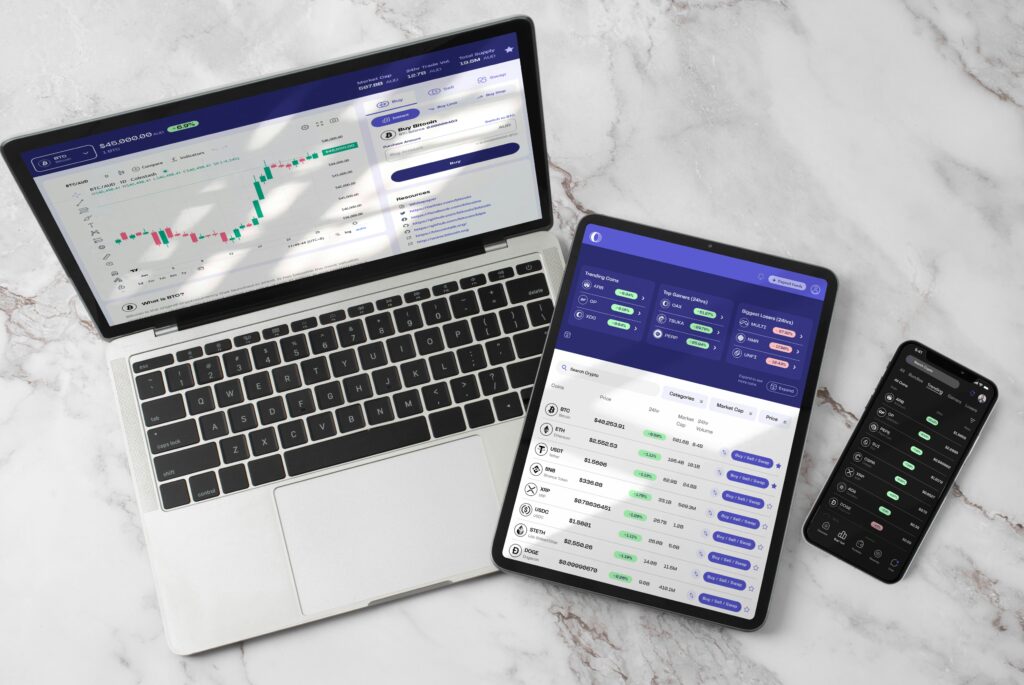
The first step in money management is knowing where your money comes from and where it goes.
- Track all sources of income (clients, side projects, affiliate earnings, etc.).
- List all expenses (rent, food, utilities, internet, software, subscriptions).
- Use tools like Notion, Google Sheets, or apps like Mint, YNAB, PocketGuard.
👉 Tip: Maintain a separate spreadsheet for fixed expenses vs. variable expenses.
2. Create a Monthly Budget

Budgeting is crucial because freelance income isn’t always consistent.
- 50/30/20 Rule:
- 50% → Needs (rent, groceries, bills)
- 30% → Wants (entertainment, travel)
- 20% → Savings & Investments
- Use apps like GoodBudget or YNAB (You Need A Budget) to automate.
👉 Even if your income fluctuates, budgeting ensures you never overspend.
3. Set Up an Emergency Fund

Freelancers don’t have job security, so an emergency fund is a must.
- Save at least 3–6 months of living expenses.
- Keep it in a high-interest savings account or money market fund (not in risky assets like crypto).
- Use it only for true emergencies like job loss, medical bills, or urgent repairs.
4. Separate Business and Personal Finances

Never mix your freelance income with personal expenses.
- Open a separate business bank account.
- Use tools like PayPal, Wise, or Payoneer for international clients.
- This makes taxes easier and keeps your cash flow clear.
5. Pay Yourself a Salary

Instead of spending directly from client payments, pay yourself a fixed monthly salary.
- Example: If you earn $3,000 in a good month, transfer only $2,000 to your personal account.
- Keep the rest in your business account for taxes, slow months, and savings.
👉 This creates stability even when income is irregular.
6. Plan for Taxes in Advance

Unlike regular jobs, freelancers must pay their own taxes.
- Set aside 20–30% of your income for taxes.
- Hire an accountant or use apps like QuickBooks Self-Employed.
- Learn about tax deductions (software, home office, internet bills, travel for work).
7. Save for Retirement

Just because you don’t have an employer pension doesn’t mean you can’t retire comfortably.
- Open a retirement account (IRA in the US, NPS/PPF in India, or private pension plans internationally).
- Contribute regularly—even small amounts add up over time with compound interest.
- Consider index funds or ETFs for long-term growth.
8. Diversify Your Income Streams
Don’t rely on just one client or one source of income.
- Offer multiple services (writing, design, consulting).
- Create passive income (blogging, affiliate marketing, online courses).
- This reduces risk if one client suddenly leaves.
9. Use Financial Tools & Apps
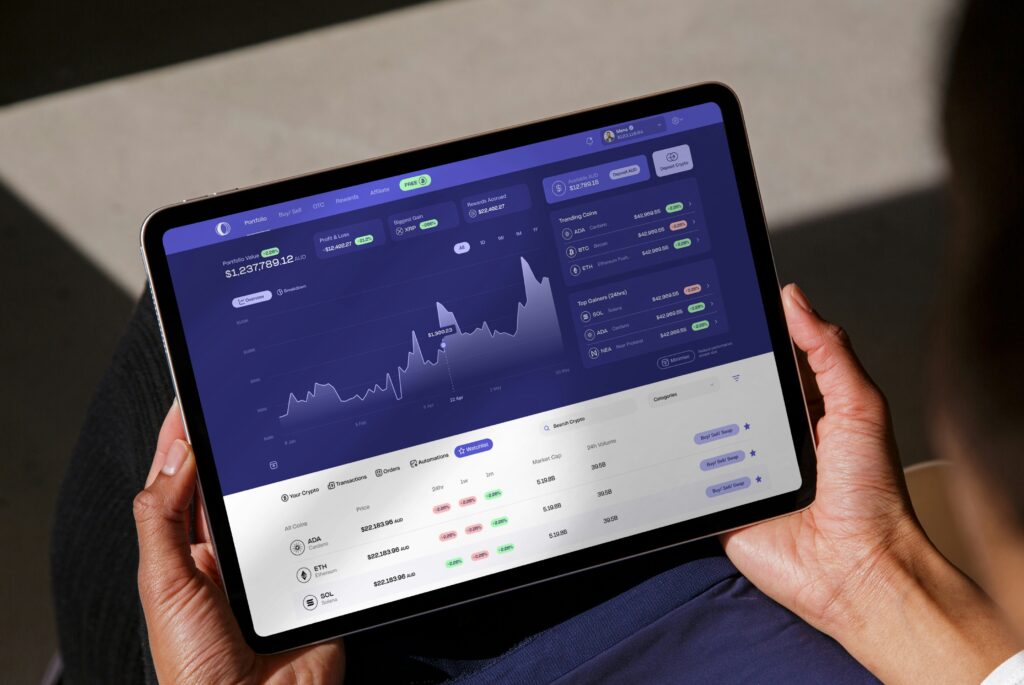
Some best apps for freelancers:
- Invoicing: FreshBooks, Wave, Zoho Invoice
- Expense Tracking: Mint, Expensify
- Investing: Vanguard, Robinhood, Groww
- Payments: Payoneer, Wise, PayPal
👉 Automating finances saves time and prevents mistakes.
10. Invest in Self-Growth
Managing money isn’t just about saving—it’s also about investing in yourself.
- Upgrade skills through online courses.
- Buy productivity tools that make work efficient.
- Network with other freelancers for better opportunities.
Common Mistakes Freelancers Make 🚫
❌ Spending all income without saving
❌ Not tracking taxes properly
❌ Mixing business and personal finances
❌ Relying on one big client
❌ Ignoring retirement planning
Conclusion
Managing money as a freelancer or remote worker requires discipline, planning, and smart choices. Build an emergency fund, create a budget, plan taxes early, and invest for the future. 💡
Remember: Consistency is more important than perfection. Even if you start small, the financial habits you build today will give you peace of mind tomorrow.